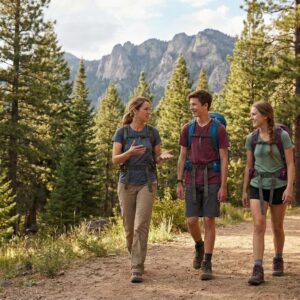
YOUNG WOMEN EXPERIENCING WILDERNESS THERAPY

Kristin Adams LCSW
Primary Therapist, Second Nature (Girls Group)
As we embraced for the last time the student spoke through tears, “Thank you so much. I don’t know how to say thank you enough. You have helped me the most out of any therapist in my whole life. This place seriously saved my life.”
While this is the conclusion we hope for as therapists it was certainly not what I expected from this student when I first met her. This young woman entered the program literally kicking and screaming. She had volatile outbursts, refused to get out of bed, drink water, or engage with the group. This young woman was convinced that labeling herself with a mental illness was excuse to stop functioning. Hopelessness was pervasive. Helplessness was debilitating. This young woman began the program crippled by anxiety and believing she was not capable of even simple tasks like brushing her teeth or preparing food.
Tears come to my eyes imagining this student leading the group, delegating tasks, providing feedback, ASKING to hike, mentoring younger students, and showing vulnerability with her staff and students.
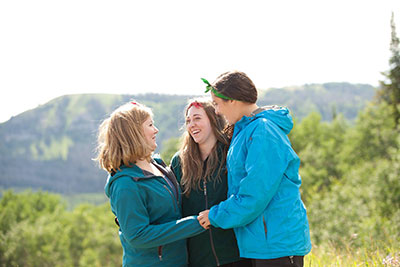
To paraphrase John F. Kennedy, “We choose to do these things, not because they are easy; but because they are hard.” Young women cannot learn what they are capable of if they are not challenged to do hard things. So many of these girls believe that they are less than, weak, incapable. They learn to challenge these beliefs by doing what is hard. Wilderness provides that challenge to young women. They enter broken and living the word CANT. By the end, they find strength, courage, and the knowledge that they CAN!
Posted in Second Nature News, Wilderness Therapy Experience
More Blog Posts

Expanding the Conversation Around Masculinity: Redefining Modern Male Masculinity

Experimentation vs. Addiction: Identifying Substance Abuse in Teens