Walking Therapy—Research Catches Up to Nature-Based Treatment
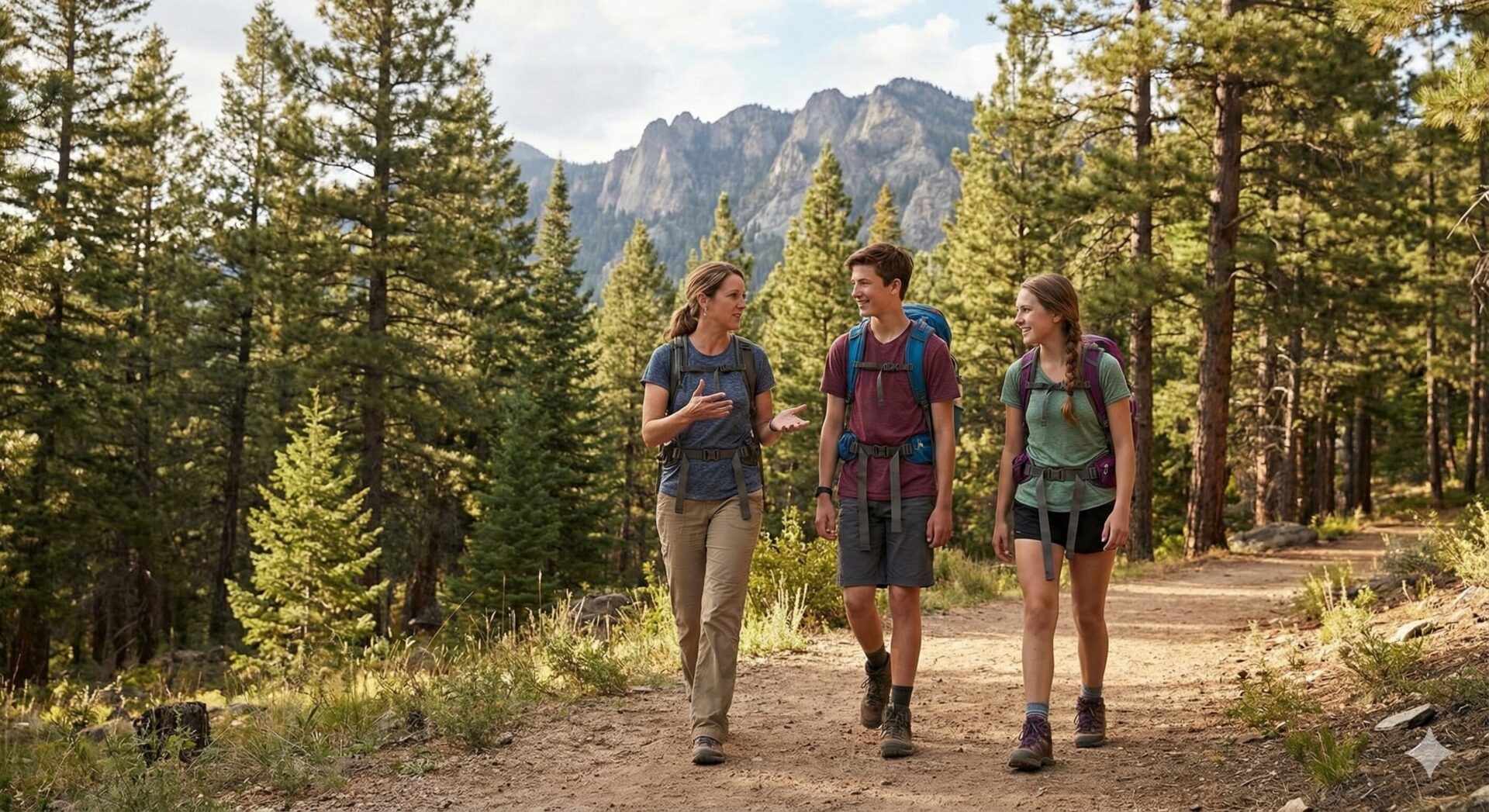
A recent article in the APA Monitor on Psychology (October 2025, Vol. 56) highlights the growing body of research supporting “walking therapy” and its ability to deepen the therapeutic process.
“Walking therapy encourages movement, informal conversation, and increased comfort with disclosure in ways that traditional office sessions often cannot,” according to the American Psychological Association.
For those of us working in nature-based treatment, this recognition feels long overdue. At Second Nature, we’ve spent more than 27 years witnessing how movement, fresh air, and authentic connection can transform the therapeutic process for adolescents and families. Long before this research gained mainstream attention, our clinicians understood that when clients are outside—walking, engaging, and immersed in nature—therapy becomes more dynamic, honest, and effective.
What the Research—and Our Experience—Shows:
- Movement and time outdoors regulate the nervous system, promoting emotional openness and engagement.
- Physical participation fosters accountability, awareness, and confidence in real time.
- The integration of nature and relational work strengthens connection and trust between therapist and client.
“For nearly three decades, we’ve observed how immersion in nature facilitates meaningful emotional regulation and relational and therapeutic growth in adolescents and their families,” says Steve DeBois, Ph.D., Clinical Director. “When therapy extends beyond the office and into the natural world, students engage both physiologically and psychologically in the process. The emerging research on movement and outdoor-based interventions supports what we’ve long witnessed in practice—nature enhances emotional accessibility, deepens therapeutic alliance, and accelerates sustainable change for teens and families alike.”
This growing body of research from the APA reinforces what has guided our mission all along: nature itself is a co-therapist. Through our immersive, evidence-informed model, Second Nature continues to help teens and families build resilience, insight, and lasting change – proving that the most effective therapy doesn’t always happen indoors.
About Second Nature
For 27 years, Second Nature has provided nature-based residential treatment for adolescents ages 13–17, serving over 15,000 families. By combining clinical sophistication, academic support, and the healing power of nature, Second Nature creates lasting growth for teens and their families. Learn more at second-nature.com or email Julia Andrick.
Posted in Blog General, Wilderness Therapy Experience
More Blog Posts

Signs of Depression in Teenagers: A Guide for Parents

Anxiety in Teenagers: What Parents Need to Know