
Treatments for Video Game Addiction: What Works for Teens
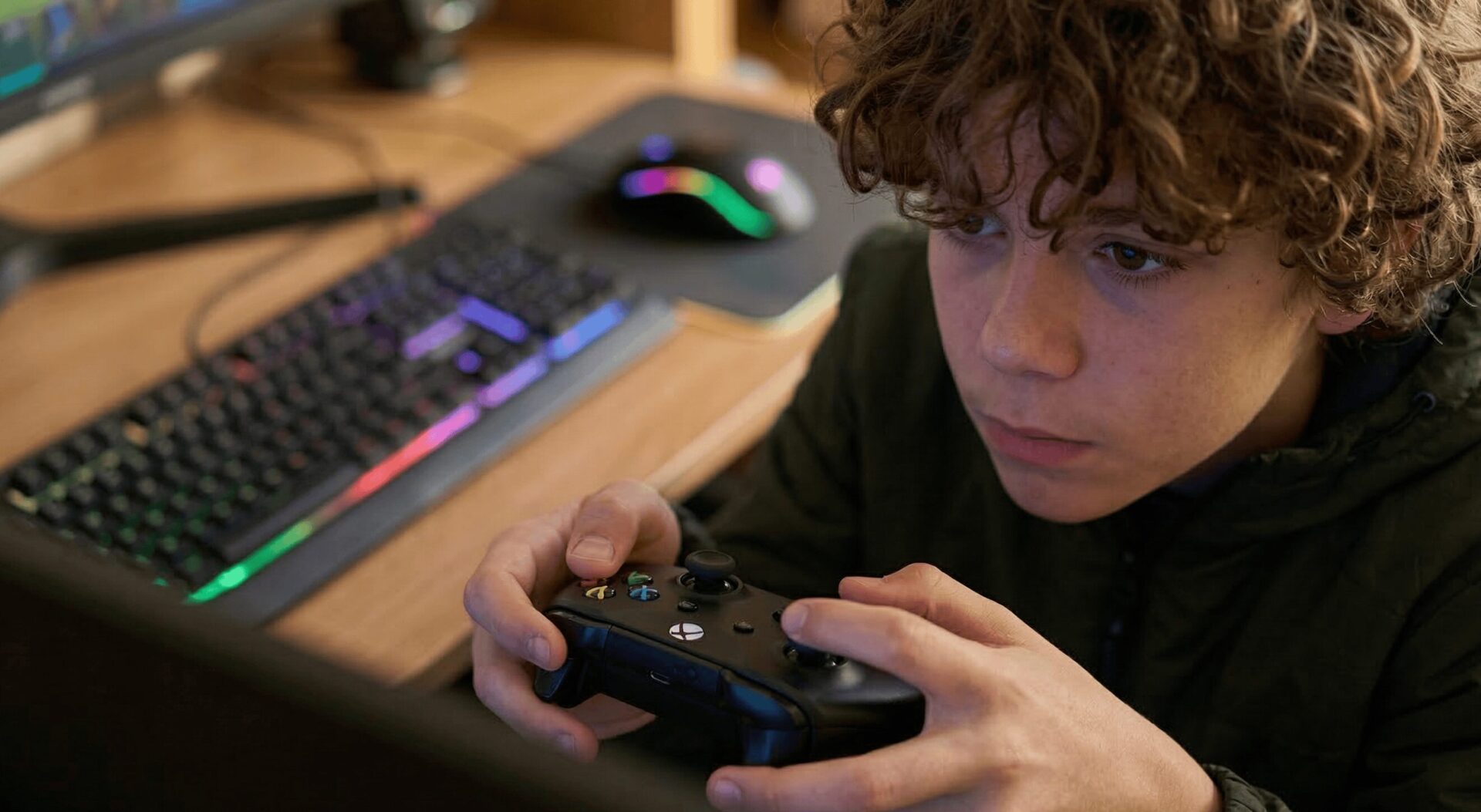
If you’ve tried limiting game time, removing consoles, and having every conversation you can think of — and your teen’s gaming is still taking over their life — you’re in the right place.
You don’t need another article telling you to “set screen time limits” or “create a family media plan.” You’ve already done that. You’re here because the basic strategies haven’t been enough, and you’re wondering what real treatments for video game addiction look like — and whether any of them actually work.
Here, we’re going to walk through the professional treatment options available, what the research says about each one, and how to figure out which approach might be the right fit for your teen and your family.
When Video Game Use Becomes a Disorder
There’s a meaningful difference between a teen who loves gaming and a teen who can’t stop gaming even when it’s dismantling their life. Understanding where that line is can help you feel more confident about the decisions ahead.
In 2018, the World Health Organization officially recognized gaming disorder in the ICD-11, its international classification of diseases. The criteria are straightforward: a pattern of gaming behavior marked by impaired control over gaming, increasing priority given to gaming over other life interests and daily activities, and continuation or escalation of gaming despite negative consequences.
For a formal diagnosis, this pattern typically needs to be present for at least 12 months, though that timeframe can be shorter if symptoms are severe.
The American Psychiatric Association has taken a similar step, including Internet Gaming Disorder in the DSM-5 as a condition warranting further study. Their proposed criteria include preoccupation with gaming, withdrawal symptoms when gaming is taken away, tolerance (needing more time gaming to feel satisfied), unsuccessful attempts to control use, loss of interest in previous hobbies, continued excessive use despite knowing the problems it causes, deception of family members about gaming, use of gaming to escape or relieve negative moods, and jeopardizing relationships, education, or opportunities because of gaming.
Here’s the practical translation: if gaming is consistently interfering with your teen’s sleep, school performance, friendships, and family relationships — and they can’t stop despite wanting to or being asked to — this has moved beyond a habit. It has moved beyond a phase. What you’re seeing is a pattern that’s unlikely to resolve on its own without professional support.
If any of this resonates, you may also recognize other signs of teen screen addiction in your child’s daily behavior.
Proven Treatment Approaches for Teen Gaming Addiction
There is no single “cure” for gaming addiction — but there are several well-studied approaches that have helped thousands of teens and families reclaim their lives. The best video game addiction treatment plans usually combine more than one of these methods, tailored to your teen’s specific needs, personality, and severity of the problem.
Cognitive Behavioral Therapy (CBT)
Cognitive behavioral therapy is the most widely researched approach for treating gaming addiction in adolescents. CBT works by helping teens identify the triggers that drive their gaming — boredom, social anxiety, academic stress, loneliness — and then challenge the distorted thinking patterns that keep them locked in the cycle.
A teen struggling with gaming addiction might carry beliefs like “I need to game to feel okay,” “I’m only good at this one thing,” or “Nobody in real life understands me.” CBT helps them examine those thoughts, test them against reality, and develop alternative coping strategies that don’t involve a screen.
In an outpatient setting, CBT typically involves weekly sessions with a licensed therapist over the course of several months. It’s particularly effective for teens who have some degree of self-awareness about their gaming habits and are willing to engage in the therapeutic process, even reluctantly.
Family Therapy
Gaming addiction doesn’t happen in a vacuum — it affects the entire family system, and the family system often plays a role in maintaining it. That’s not blame. It’s just how family dynamics work. Patterns of communication, conflict, avoidance, and emotional regulation within the household all influence how a teen relates to gaming.
Family therapy helps parents understand their role in the recovery process — not as enforcers or enablers, but as active supporters. It addresses communication breakdowns, helps families set boundaries that are firm without being punitive, and creates space for every member to be heard.
At Second Nature, family therapy is woven into treatment from the beginning. Parents participate in weekly sessions, and the clinical team conducts a thorough family dynamics assessment to understand the relational patterns at play. The goal isn’t to “fix” one person — it’s to shift the system so the whole family can function in a healthier way.
Motivational Interviewing
One of the hardest realities of teen gaming addiction is that most teens don’t think they have a problem — or if they do, they’re not ready to do anything about it. This is where motivational interviewing becomes invaluable.
Motivational interviewing is a clinical technique that meets teens exactly where they are. Rather than arguing, lecturing, or forcing change, the therapist uses open-ended questions and reflective listening to help the teen explore their own reasons for wanting things to be different. It builds intrinsic motivation — the kind that sticks — rather than relying on external pressure that teens typically resist.
This approach is especially effective for resistant or ambivalent teens. Instead of hearing “you need to stop gaming,” they hear “what would your life look like if gaming wasn’t running the show?” It’s a subtle but powerful shift that can open the door to real engagement with treatment.
Nature-Based Therapy
Nature-based therapy offers something no outpatient approach can: a complete removal from the gaming environment. And this isn’t punitive, it’s therapeutic. When you take away the screen, teens have to face what they’ve been avoiding. The emotions, the insecurities, the social challenges, the boredom — all of it surfaces, and for the first time, they have to develop real-world strategies to cope.
In nature, virtual challenges are replaced with real ones. Building a fire. Setting up shelter. Navigating terrain as a team. Working through conflict with peers face-to-face, not through a headset. These experiences create a natural consequences model that mirrors how life actually works: effort leads to tangible, meaningful results — not virtual rewards that disappear when the screen turns off.
For teens dealing with video game addiction, nature-based wilderness therapy also addresses what’s often underneath the compulsive gaming: anxiety, depression, low self-esteem, social skill deficits, or trauma. In our nature-based therapeutic program, every student works with a licensed therapist who treats the whole picture — not just the gaming behavior on the surface.
How to Choose the Right Game Addiction Treatment for Your Teen
Choosing a video game addiction treatment program is one of the most important decisions you’ll make as a parent. Here are the questions worth asking any program you’re considering:
- What is the clinical approach? Look for evidence-based methods like CBT, family therapy, and motivational interviewing — not just “we take away the games.”
- What is the staff-to-student ratio? Lower ratios mean more individualized attention. At Second Nature, we maintain a 1:3 staff-to-student ratio.
- Is there family therapy involvement? Your teen doesn’t exist in isolation. Any program that doesn’t include the family in treatment is missing a critical piece of the puzzle.
- What does aftercare look like? Treatment doesn’t end at discharge. Ask about transition planning, follow-up support, and recommendations for ongoing care.
- How long is the program? Be wary of programs that promise results in a few days. Meaningful change for gaming addiction takes time — typically weeks to months.
- What are the credentials of the clinical team? Licensed therapists, not just “mentors” or “coaches,” should be leading the clinical work.
As a general guide, match the severity of your teen’s situation to the appropriate level of care. Mild gaming problems may respond well to outpatient therapy, weekly CBT sessions, and family work. Moderate issues might call for intensive outpatient programming with more frequent sessions and structure.
Severe gaming addiction, especially with co-occurring anxiety, depression, or social withdrawal, often requires a residential or nature-based approach where the environment itself becomes part of the treatment.
Second Nature has been doing this work for over 27 years. Our program is licensed, therapist-driven, family-centered, and designed to treat the whole teen, not just the screen behavior. If your teen is also struggling with phone addiction or broader technology dependence, our clinical team is experienced in addressing the full spectrum of screen-related concerns.
What to Expect During Treatment
Walking into treatment — whether outpatient or residential — can feel overwhelming for both you and your teen. Here’s what the process generally looks like:
1. Initial assessment and treatment planning.
Every credible program starts with a comprehensive evaluation. Clinicians will assess the severity of the gaming behavior, screen for co-occurring mental health conditions, evaluate family dynamics, and develop an individualized treatment plan.
2. The adjustment period.
The first one to two weeks are typically the hardest. Your teen may be angry, resistant, or withdrawn — especially if screens have been removed from the equation. This is normal. It’s often the discomfort of the adjustment period that signals real therapeutic work is beginning.
Building new skills and coping strategies. As treatment progresses, teens begin developing the emotional regulation, social skills, and self-awareness they need to manage life without defaulting to gaming. They start discovering interests, strengths, and connections they didn’t know they had.
3. Family involvement throughout.
You’re not just dropping your teen off and hoping for the best. The most effective programs keep parents engaged through regular therapy sessions, parent coaching, and honest communication about progress and challenges.
Aftercare and transition planning. Before treatment ends, the clinical team works with your family to create a transition plan — including technology agreements, ongoing therapy recommendations, and strategies for maintaining progress at home.
Here’s what gives us hope: most families we work with say they see a change in their teen within the first few weeks. Not a “cure” — but a shift. A willingness to talk. A spark of something that had gone dark. That’s where long-term recovery begins.
Frequently Asked Questions
How long does treatment for video game addiction take?
It depends on the severity and the treatment setting. Outpatient therapy may run 3 to 6 months with weekly sessions. Therapeutic nature-based programs like Second Nature typically run 8 to 12 weeks.
The most important factor isn’t the calendar. It’s whether your teen is making clinical progress toward their treatment goals.
Will my teen resent me for sending them to treatment?
Many teens are angry at first, and that’s understandable. But overwhelmingly, parents and teens who have been through treatment report that it was a turning point for their family. With time, most teens come to understand that getting help was an act of love, not punishment.
Does insurance cover video game addiction treatment?
Coverage varies widely. Some insurance plans cover mental health treatment that includes gaming addiction, especially when there’s a co-occurring diagnosis like anxiety or depression. Our admissions team can help you navigate your specific insurance situation — don’t let uncertainty about cost prevent you from making the call.
What is the success rate for treating gaming addiction in teens?
Research on gaming disorder treatment shows promising outcomes, particularly for programs that combine CBT, family therapy, and environmental change.
At Second Nature, we measure success not just by reduced screen time but by improvements in family relationships, emotional regulation, academic engagement, and social confidence.
Taking the Next Step
If you’ve made it to the end of this page, you already know something needs to change. That awareness — even when it’s wrapped in fear, guilt, or exhaustion — is the starting point for every family we’ve ever worked with.
Getting help isn’t giving up. It’s the bravest thing a parent can do.
If your teen’s gaming has become something your family can’t address alone, we’re here when you’re ready to talk. Our admissions team can answer your questions, walk you through the process, and help you figure out whether Second Nature is the right fit — with no pressure and no judgment.
Call us at (877) 701-7600 or schedule a time to talk to our admissions team to start the conversation.
Posted in Technology Addiction
More Blog Posts

Teens on Phones: A Parent’s Guide to Screen Addiction

How to Talk to Teens About Drugs & Alcohol