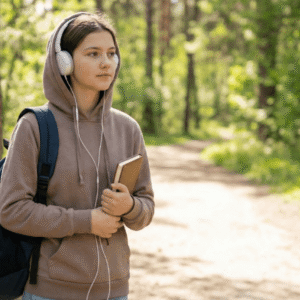
Expanding the Conversation Around Masculinity: Redefining Modern Male Masculinity

Redefining modern male masculinity starts with changing the way we talk about masculinity—because it directly impacts how teen boys understand themselves, navigate relationships, and manage their emotional lives. when we create space for honesty, empathy, and emotional growth, boys gain the confidence to show up as healthier sons, friends, partners, and leaders.
For many young men, rigid expectations about what it means to “be a man” create internal conflict that shows up as withdrawal, anger, risky behavior, or difficulty connecting with family.
At Second Nature, we see firsthand how expanding the conversation around masculinity opens pathways for healthier development and authentic self-expression.
When boys feel trapped by narrow definitions of manhood, they often struggle to access the emotional tools they need for genuine wellbeing and meaningful relationships.
Traditional messages about strength, stoicism, and emotional restraint leave little room for vulnerability, self-reflection, or asking for help.
These limitations contribute to the mental health challenges we’re witnessing in adolescent boys today.
Opening up what masculinity can include—rather than restricting what it must be—creates space for boys to develop as whole people.
This shift benefits not just individual teens but their families, communities, and future relationships.
Nature-based therapeutic programs provide an ideal setting for this work, where boys can explore identity, build authentic connections with peers, and practice new ways of showing up in the world.
Understanding Traditional Masculinity and Its Limitations
For decades, cultural messages have taught boys that being masculine means being tough, unemotional, and self-reliant. These expectations show up everywhere: in media portrayals, peer group dynamics, family systems, and school environments. Boys learn early that certain emotions are acceptable (anger) while others are not (sadness, fear, tenderness). This narrow framework creates problems. When boys can’t express the full range of human emotions, they often turn inward or act out.
We see this pattern repeatedly in the families who come to us: a teen who was once open and communicative becomes distant and defensive. The emotional tools he needs to navigate adolescence remain underdeveloped because he’s been taught that using them means weakness.
Research confirms that rigid gender norms take a serious toll on boys’ mental health. The pressure to conform to restrictive masculine ideals correlates with higher rates of substance use, aggression, and resistance to seeking help when struggling.
Boys who internalize these messages often feel they have to manage everything alone. The impact extends beyond individual well-being. These limitations affect how boys show up in friendships, family relationships, and eventually romantic partnerships.
Learning to connect authentically requires emotional literacy, vulnerability, and the willingness to be seen as uncertain or imperfect—qualities that traditional masculinity often dismisses.
What Expanding the Conversation Around Masculinity Actually Means
Expanding the conversation around masculinity doesn’t mean rejecting all traditional masculine qualities.It means broadening what we consider valuable and acceptable. Strength can include emotional resilience. Leadership can include listening and collaboration. Courage can include admitting uncertainty and asking for support.
This expanded view acknowledges that boys are complex humans with varied interests, talents, and emotional needs. Some may naturally gravitate toward traditionally masculine pursuits while also needing permission to express vulnerability. Others may find themselves outside conventional expectations altogether and need validation that their path is equally valid.
We create this expansion by modeling it consistently. Our therapists and staff demonstrate that grown men can be strong and emotionally available, confident and uncertain, assertive and gentle.
When boys witness adult men embodying these qualities without shame or apology, it shifts what they believe is possible for themselves. Language matters significantly in this work. The words we use to describe boys and their experiences either reinforce limitations or create openings. Praising only physical toughness while ignoring emotional bravery sends a clear message. Commenting on “boys being boys” when they act aggressively normalizes harm as a masculine expression.
The Connection Between Masculinity and Teen Mental Health
The mental health challenges we see in teen boys often connect directly to restrictive masculine norms. Boys who believe they shouldn’t express sadness or anxiety find unhealthy outlets for those feelings. Some turn to substance use. Others become irritable and aggressive. Many simply withdraw.
Depression in boys frequently looks different than textbook descriptions. Rather than appearing sad, depressed boys often seem angry, bored, or disconnected. They may take excessive risks, engage in substance use, or become obsessed with gaming or other isolating activities. These behaviors represent attempts to manage painful internal experiences without violating masculine codes against vulnerability.
Anxiety presents similar complications. Boys experiencing significant anxiety may mask it with bravado, defensiveness, or avoidance. They resist therapy because seeking help feels like admitting weakness. The longer these patterns continue, the more entrenched they become and the harder they are to shift.
Family relationships suffer when boys can’t communicate authentically. Parents describe feeling shut out, unable to reach their sons despite desperate attempts to connect. The boy himself often feels misunderstood and alone, unable to articulate his experience in ways that feel safe or acceptable.
Nature-based therapeutic programs address these dynamics by creating environments where different expressions of masculinity become normalized. In nature, boys encounter challenges that require cooperation, emotional honesty, and mutual support. Physical strength matters, but so does patience, communication, and the willingness to struggle publicly with difficult tasks.
Building Foundations for Healthy Masculinity
Healthy masculinity includes the ability to form genuine connections, express emotions appropriately, and ask for help when needed. It means understanding that strength includes knowing your limits and that courage includes admitting fear. Boys need explicit teaching and consistent modeling to develop these capacities. Emotional literacy forms the foundation. Boys need language for internal experiences beyond “fine,” “good,” or “angry.”
Our therapists work with teens to identify and name nuanced emotional states, understand what triggers them, and develop healthy responses. This skill set enables everything else—relationship building, conflict resolution, and self-regulation. Healthy relationships require vulnerability and reciprocity.
Boys need practice giving and receiving support, expressing needs clearly, and navigating conflict without aggression or withdrawal. Peer groups in therapeutic settings provide ideal practice grounds. Boys learn to call each other in rather than out, offer genuine encouragement, and build trust through shared challenges. Self-awareness develops through reflection and feedback. Boys benefit from understanding their own patterns, triggers, strengths, and growth edges. Physical challenges reveal mental and emotional patterns. Group living surfaces interpersonal dynamics.
Distance from familiar distractions creates space for introspection. Connection to something larger than oneself provides purpose and perspective.
This might mean connection to nature, to community, to creative expression, or to personal values.
Challenging Traditional Gender Roles
Traditional gender roles tell boys they must suppress emotions, prioritize physical strength, and avoid vulnerability. These expectations create significant barriers to mental health and authentic relationships. We observe this daily in our work with teens. Boys arrive believing that asking for help equals weakness. They’ve learned to hide fear, sadness, and confusion behind anger or withdrawal.
Common restrictive beliefs include:
- Real men don’t cry or show emotional pain
- Masculinity requires dominance in relationships
- Academic struggles reflect personal failure
- Seeking therapy means something is wrong with you
- Physical aggression proves strength and capability
These messages come from multiple sources.Peer groups enforce conformity through mockery and exclusion. The media portrays narrow versions of acceptable male behavior. Family patterns sometimes perpetuate these restrictions across generations.
The impact on teen mental health is measurable. Boys socialized into rigid masculine norms experience higher rates of substance use, academic disengagement, and emotional suppression. They struggle to develop emotional literacy skills necessary for healthy relationships.
Our therapists and staff work with families to create space for broader expressions of identity. Through family-focused healing, parents learn to model emotional authenticity. Teens discover that strength includes vulnerability, connection, and honest communication.
Nature-based therapeutic programs provide unique advantages here. Living in nature takes away performative aspects of identity. Teens can’t hide behind screens, social status, or manufactured personas. They connect with themselves and others more honestly.
The Influence of Male Archetypes on Identity
Male archetypes shape how teens understand their possibilities and limitations. Traditional archetypes like the warrior, protector, or stoic provider offer templates that feel simultaneously compelling and constraining. Teens naturally seek models for who they might become. Archetypes provide frameworks for understanding masculine identity.
However, limited exposure to diverse archetypes restricts development.
Traditional archetypes and their limitations:
| Archetype | Traditional Expression | Expanded Understanding |
| Warrior | Physical aggression, competition | Courage in vulnerability, fighting for values |
| Provider | Financial success alone | Emotional presence, relationship investment |
| Stoic | Emotional suppression | Emotional regulation, thoughtful response |
| Leader | Dominance, control | Collaboration, service to others |
The challenge isn’t eliminating these archetypes but expanding them. A warrior can fight for emotional honesty. A provider can offer presence and care. A stoic can practice wise emotional regulation rather than suppression. We help teens identify which archetypes resonate while exploring broader interpretations.
A teen drawn to the warrior archetype might channel that energy into advocacy, creative expression, or standing up for marginalized peers rather than physical dominance. Male archetypes also intersect with cultural identity. Different cultures emphasize different aspects of masculinity. Teens navigating multiple cultural contexts need support in integrating these sometimes conflicting expectations.
Redefining masculinity requires examining inherited patterns. Teens explore where their beliefs about being male originated. They distinguish between authentic values and internalized expectations that don’t serve them. This work happens naturally in a nature-based setting.
When a teen helps a struggling peer, shows weakness during a challenging hike, or shares genuine emotion around the campfire, they’re practicing expanded masculinity in real time.
How Traditional Masculinity Affects Teen Development
Rigid masculine expectations create specific developmental challenges. Teens who internalize these messages often struggle with emotional regulation, relationship skills, and mental health.
Boys learn early to disconnect from emotional experiences. They develop a limited vocabulary for internal states beyond anger. This emotional illiteracy complicates therapy, relationships, and self-understanding.
Mental Health Consequences
The pressure to conform to narrow masculine ideals correlates with increased mental health struggles. Research shows boys socialized into restrictive masculinity experience higher rates of depression, though they’re less likely to recognize or report symptoms. Substance use becomes a socially acceptable way to manage emotions. Performance anxiety increases around academic and social expectations. Social isolation grows despite outward appearances of connection.
Academic and Social Impact
Traditional gender roles affect academic engagement. Subjects associated with emotional intelligence or verbal expression may feel threatening to masculine identity. Help-seeking behaviors decrease, even when teens struggle significantly.
Peer relationships can suffer when emotional authenticity feels dangerous. Friendships remain superficial. Romantic relationships lack the vulnerability necessary for genuine intimacy.
Creating Space for Authentic Expression
Our nature-based therapeutic programs intentionally create environments where teens can explore identity beyond restrictive norms. Several elements support this process. Nature itself provides neutral ground. Natural challenges require cooperation, communication, and vulnerability regardless of gender expectations. A teen who won’t ask for emotional support in traditional settings might naturally seek help navigating a difficult trail.
Program elements supporting expanded masculinity:
- Small group settings where vulnerability becomes normal
- Male therapists and staff modeling emotional authenticity
- Activities requiring collaboration over competition
- Direct feedback about relational patterns
- Family sessions addressing inherited gender expectations
Group therapy becomes particularly powerful. Teens witness peers expressing emotions they’ve suppressed. They observe that vulnerability strengthens rather than weakens relationships. Permission grows through peer modeling. Individual therapy helps teens examine personal beliefs about masculinity. They identify which expectations serve them and which create suffering. They develop a personalized understanding of strength, courage, and authentic expression. Family work addresses how gender roles function systemically. Parents examine messages they’ve conveyed intentionally and unintentionally. Fathers often discover their own relationship with restrictive masculine norms. Mothers explore how they’ve reinforced or challenged these patterns.
Supporting Your Teen’s Identity Development
Parents play a crucial role in expanding masculine possibilities. Several approaches help create space for healthier development. Model emotional literacy in your own life. Share your internal experiences using specific emotional language. Demonstrate that feeling and expressing emotions strengthens relationships.
Foundations of Healthy Masculinity
Building healthy masculinity requires developing emotional intelligence and creating environments where vulnerability is respected rather than discouraged. These foundations enable young men to form authentic connections and express themselves honestly within supportive communities.
Emotional Intelligence and Emotional Awareness
Emotional intelligence forms the cornerstone of healthy masculinity. It involves recognizing, understanding, and managing one’s own emotions while also perceiving and responding to the emotions of others.
Many young men in our nature-based therapeutic programs arrive with limited vocabulary for describing their internal experiences. They’ve learned to suppress feelings or express them only through anger, which becomes their default emotional outlet. This pattern often stems from years of receiving messages that other emotions signal weakness.
We work with teens to expand their emotional awareness through specific, practical exercises. Our therapists help young men identify physical sensations associated with different emotions, for example the tight chest that accompanies anxiety, the heaviness of sadness, the warmth of genuine connection. This body-based approach makes abstract feelings more concrete and manageable.
Key components of emotional intelligence development include:
- Recognition of emotional triggers and patterns
- Understanding the connection between thoughts, feelings, and behaviors
- Developing appropriate emotional expression skills
- Building empathy through perspective-taking exercises
At Second Nature, therapists and staff model emotional awareness during daily activities. When a teen struggles with a challenging hiking section, a staff might acknowledge their own frustration while demonstrating healthy coping strategies. This real-time modeling proves more effective than abstract lessons about emotional regulation.
Vulnerability in Men and Safe Spaces
Vulnerability represents strength, not weakness, though this contradicts messages many young men receive throughout their lives. Creating safe spaces where boys and men can be vulnerable requires intentional effort and clear boundaries.
The concept of a “virtual shed” or safe space for men addresses the isolation many males experience. Traditional gender norms discourage men from seeking emotional support, leaving them without outlets for processing difficult experiences or feelings. This isolation correlates with higher rates of substance use, risk-taking behaviors, and mental health struggles.
Our therapeutic approach creates structured opportunities for vulnerability. Small group settings with peers facing similar challenges reduce the shame many teens feel about their struggles. When one teen shares something difficult and receives acceptance rather than judgment, it opens pathways for others.
Elements of effective safe spaces include:
| Element | Purpose | Implementation |
| Confidentiality agreements | Build trust and security | Clear group guidelines established collaboratively |
| Non-judgmental responses | Reduce fear of sharing | Therapists model acceptance and redirect judgment |
| Shared experiences | Normalize struggles | Group activities that reveal common humanity |
| Consistent structure | Provide predictability | Regular meeting times and formats |
We’ve observed that vulnerability becomes easier for young men when it’s framed as courage rather than exposure. A teen who shares his fear about returning home demonstrates bravery, not fragility. This reframing helps boys reconcile vulnerability with their developing masculine identity.
Safe spaces don’t eliminate all discomfort—growth often requires discomfort. However, they ensure that emotional risks lead to connection and understanding rather than ridicule or dismissal.
Many families tell us their sons experienced their first genuine peer connection within these intentionally created environments.
Fostering Open, Honest Dialogue in Community
Open, honest dialogue requires both speaking authentically and listening actively. Many teens arrive at our programs skilled at neither, having learned that honesty invites criticism or that others’ perspectives threaten their own.
We facilitate dialogue through structured conversations around real issues young men face: relationships, identity, family expectations, fears about the future.
Our therapists and staff don’t lecture or provide answers. Instead, they ask questions that encourage deeper thinking and create space for multiple perspectives.
The wilderness setting supports this dialogue in unexpected ways. Sitting around a campfire or walking side-by-side removes the intensity of face-to-face confrontation.
Physical activity before conversation helps teens regulate their nervous systems, making difficult topics more approachable.
Practices that support honest dialogue:
- Check-ins that invite sharing without requiring it
- Reflection questions that promote self-examination
- Peer feedback sessions with clear guidelines
- Family communication workshops that teach specific skills
Young men often struggle with the difference between honesty and cruelty. They may use “just being honest” to justify hurtful comments, or they may suppress all authentic reactions to avoid conflict. We teach the nuance between these extremes—how to express disagreement respectfully, how to set boundaries clearly, how to apologize effectively.
Family-focused healing extends these communication skills beyond the program. Parents participate in workshops where they practice the same dialogue techniques their sons are learning. This alignment ensures teens don’t return to communication patterns that previously created problems.
The goal isn’t perfect communication but rather creating foundations for repairing inevitable ruptures. When young men can acknowledge mistakes, express genuine remorse, and make amends, they build relationships that withstand normal human imperfection.
Frequently Asked Questions
The conversation around masculinity raises important questions about how boys develop their identity, what influences shape their understanding of manhood, and how we can support healthier expressions of masculinity that benefit everyone.
What are the key factors contributing to the ‘masculinity crisis’ in contemporary society?
Several interconnected factors create confusion and pressure around masculine identity today. Traditional male role models have become less clear as family structures shift, with many boys growing up without a consistent male presence or mentorship.
Economic changes have eliminated many traditionally masculine occupations, leaving young men uncertain about their purpose and value.
Social media amplifies extreme versions of masculinity while simultaneously criticizing traditional male traits. Boys receive mixed messages about what it means to be a man, told simultaneously to be strong and vulnerable, confident and humble, protective and gentle.
This contradiction creates internal conflict that many teens struggle to navigate alone.
The rise of digital communication has reduced face-to-face interaction and physical activity, both historically important for male development. Many boys spend formative years primarily online rather than engaging in real-world challenges that build confidence and competence.
At Second Nature, we see how reconnecting with physical challenges in natural settings helps teens develop authentic confidence rather than the performative masculinity they encounter online.
Mental health stigma remains particularly strong among males, with boys learning early that expressing emotional pain signals weakness. This silence around struggle intensifies feelings of isolation when challenges arise.
How is the concept of masculinity changing in modern cultures?
Masculinity is expanding beyond narrow traditional definitions focused solely on strength, stoicism, and providing. Contemporary masculinity increasingly values emotional intelligence, collaborative relationships, and authentic self-expression alongside traditional masculine qualities.
Young men today face pressure to integrate qualities previously considered exclusively feminine or masculine. They’re expected to be empathetic listeners while remaining decisive leaders, to prioritize family involvement while achieving professional success, and to express vulnerability while maintaining strength.
This integration represents positive evolution but creates developmental complexity.
Cultural conversations now acknowledge multiple expressions of masculinity rather than a single ideal. We recognize that masculine identity intersects with race, culture, sexual orientation, and individual personality in ways that create diverse experiences of manhood.
The #MeToo movement and increased awareness of gender-based violence have prompted necessary examination of harmful masculine behaviors. This scrutiny sometimes leaves boys uncertain whether traditional masculine traits themselves are problematic or whether specific expressions of those traits cause harm.
Our Therapists and Coaches help teens distinguish between healthy masculine confidence and behaviors rooted in entitlement or aggression.
Nature-based therapeutic programs provide space for boys to explore masculinity through mentorship with male Coaches who model healthy manhood.
Physical challenges, group dynamics, and structured reflection help teens develop a masculine identity grounded in character rather than cultural stereotypes.
What impact does ‘toxic masculinity’ have on both genders?
Toxic masculinity refers to cultural norms that equate manhood with dominance, emotional suppression, and aggression. These expectations harm boys by restricting emotional expression, leading to higher rates of substance abuse, suicide, and violence among males.
Boys internalize the message that vulnerability equals weakness, leaving them isolated when facing normal human struggles.
This narrow masculinity damages relationships by teaching boys that intimacy threatens masculine identity. Young men avoid deep friendships with other males and struggle to build healthy romantic relationships because they lack practice with emotional communication. The pressure to appear constantly confident prevents asking for help, whether academically, professionally, or personally.
Girls and women experience toxic masculinity through increased risk of harassment, assault, and relationship violence. When boys learn that masculine value requires female conquest or that aggression demonstrates strength, everyone becomes less safe. Female peers face pressure to accommodate male emotional immaturity rather than expecting equal partnership.
Toxic masculinity also limits boys’ interests and career choices. Boys who enjoy art, literature, caregiving, or other fields coded as feminine face ridicule that steers them away from genuine interests.
This restriction of human development serves no one well.
Family-focused healing addresses how gender expectations affect entire family systems. We work with parents to recognize how their own upbringing influences the messages they send about masculinity, helping families create space for boys to develop full emotional lives.
How are media and social platforms influencing the conversation on masculinity?
Social media algorithms often push boys toward extreme content about masculinity. Young men searching for guidance encounter influencers promoting either hyper-masculine dominance or complete rejection of traditional masculine traits, with little moderate middle ground. These extreme positions drive engagement but provide poor developmental guidance.
Online spaces create echo chambers where unhealthy masculine attitudes get reinforced. Boys feeling confused or frustrated about masculine expectations find communities that either validate anger toward women or dismiss masculine identity entirely as toxic.
Traditional media has shifted from ignoring masculine vulnerability to sometimes portraying masculinity itself as inherently problematic. Boys see fathers depicted as incompetent, male sexuality portrayed as predatory, and masculine confidence characterized as toxic.
This overcorrection leaves boys uncertain whether their gender identity itself is acceptable.
Gaming culture and online communities provide a male connection but sometimes reinforce narrow masculinity. The anonymity of online spaces permits aggressive behavior without consequence, teaching distorted lessons about manhood and relationships. Boys spend more time in these digital environments than in real-world settings where behavior has immediate social consequences.
Positive shifts include increased male celebrities and influencers discussing mental health, vulnerability, and non-traditional masculine paths. Athletes sharing struggles with depression and actors discussing therapy help normalize male emotional expression. These models demonstrate that strength includes acknowledging limitations.
Moving Forward With Hope At Second Nature, we work with families navigating exactly these challenges every day. We understand that mental health struggles in teens aren’t about weakness or lack of effort—they’re about real obstacles that require real support, professional guidance, and compassionate understanding. If you’re concerned about your teen’s mental health and would like to learn more about how Second Nature can help, we’re here to talk. Visit our website to learn more https://second-nature.com/admissions/contact-admissions/
In what ways can we support healthy expressions of masculinity?
Healthy masculinity requires mentorship from men who model integrated manhood. Boys need relationships with adult men who demonstrate emotional expression, respectful relationships, and masculine confidence without dominance.
Our therapists and staff provide this mentorship through shared outdoor challenges. These experiences create natural opportunities for meaningful conversation. Physical competence builds authentic masculine confidence. When boys develop genuine skills through challenge rather than performing toughness, they gain security in their capabilities.
Nature-based therapeutic programs offer activities that demand courage, persistence, and teamwork. Boys learn that real strength includes asking for help and supporting others.
Teaching emotional literacy early prevents the development of toxic patterns. Boys need vocabulary for internal experiences and permission to express a full emotional range. We help teens recognize that managing difficult emotions requires strength. Feeling them does not indicate weakness. Creating spaces for male friendship matters. Boys need peer relationships that go beyond competition or shared activities to include authentic communication about real struggles.
Group therapy components in nature-based therapeutic programs facilitate these connections. The settings feel natural rather than forced.
Parents support healthy masculinity by examining their own gendered expectations. This includes encouraging interests regardless of whether they’re traditionally masculine and responding to emotional expression.
Moving Forward With Hope At Second Nature, we work with families navigating exactly these challenges every day. We understand that mental health struggles in teens aren’t about weakness or lack of effort—they’re about real obstacles that require real support, professional guidance, and compassionate understanding. If you’re concerned about your teen’s mental health and would like to learn more about how Second Nature can help, we’re here to talk. Visit our website to learn more https://second-nature.com/admissions/contact-admissions/
Moving Forward With Hope
At Second Nature, we work with families every day who are navigating the complex emotional and behavioral challenges facing adolescent boys. We recognize that many mental health struggles are deeply influenced by toxic masculinity in boys—including pressure to suppress emotions, avoid vulnerability, or equate strength with emotional isolation. These patterns are not signs of weakness or failure; they are learned responses to powerful social expectations that can limit healthy emotional development.
Our approach focuses on helping boys unlearn these harmful narratives while developing emotional awareness, resilience, and authentic self-confidence. Through professional guidance, compassionate support, and nature-based therapy, we create an environment where adolescent males can safely explore emotions, build healthy coping skills, and redefine strength in constructive ways.
Second Nature Therapists Serving Adolescent Males:
Learn more about how Second Nature supports teens ages 13–17 and works to heal families through evidence-informed, nature-based therapy. Visit our website to learn more:
https://second-nature.com/
Posted in Blog General, Second Nature Therapists
More Blog Posts

Signs of Depression in Teenagers: A Guide for Parents

Anxiety in Teenagers: What Parents Need to Know